
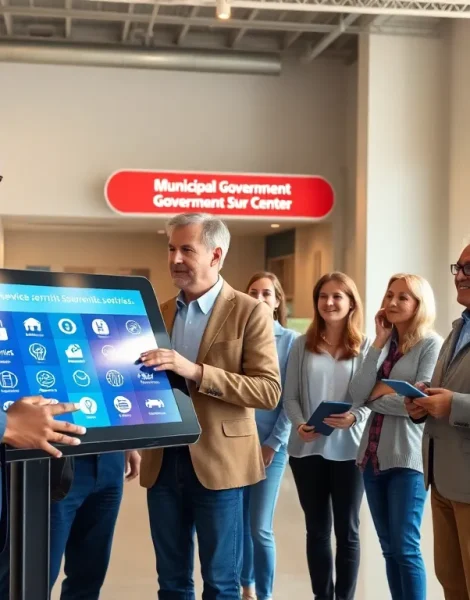
GovTech for beginners starts with a simple idea: government services should be as easy to use as your favorite apps. Government technology refers to the digital tools, platforms, and systems that public agencies use to serve citizens better. From renewing a driver’s license online to tracking a building permit, GovTech touches daily life more than most people realize.
This guide breaks down what GovTech means, why it matters, and how anyone can start using these services today. Whether someone wants to pay a parking ticket from their phone or access public records without visiting a government office, understanding GovTech opens doors to faster, simpler interactions with public agencies.
Table of Contents
ToggleKey Takeaways
- GovTech for beginners means understanding how digital tools make government services as easy to use as your favorite apps.
- Online portals, mobile apps, and AI chatbots allow citizens to access services like tax filing, DMV renewals, and permit applications without visiting a government office.
- GovTech benefits include greater convenience, faster processing times, increased transparency, and cost savings for both citizens and agencies.
- Challenges like the digital divide, cybersecurity risks, and outdated legacy systems must be addressed to ensure GovTech serves everyone effectively.
- Start using GovTech services by visiting official government websites, creating secure accounts, and beginning with simple tasks like checking property records or finding your polling place.
- Always protect your personal information by using secure networks and enabling two-factor authentication when accessing government platforms.
What Is GovTech?
GovTech is short for government technology. It includes any digital solution that helps public agencies deliver services, manage operations, or engage with citizens. Think of it as the tech layer that sits between government employees and the people they serve.
GovTech covers a wide range of tools:
- Online portals where citizens file taxes, apply for permits, or request documents
- Mobile apps for reporting issues like potholes or broken streetlights
- Data platforms that help agencies make smarter decisions about budgets and resources
- Cloud systems that store and protect government records
- AI-powered chatbots that answer common questions 24/7
The GovTech sector has grown rapidly over the past decade. According to research from Government Technology magazine, state and local governments in the U.S. spend over $100 billion annually on IT services. That number keeps climbing as agencies modernize outdated systems.
For beginners, the key takeaway is straightforward: GovTech exists to make government work faster and cost less. It replaces paper forms with digital ones. It swaps long lines with online queues. And it gives citizens direct access to services that once required in-person visits.
Why GovTech Matters for Citizens and Communities
GovTech matters because it changes how people interact with their government. Traditional government processes often meant taking time off work, waiting in long lines, and filling out stacks of paperwork. Digital services eliminate many of these barriers.
Here’s why GovTech benefits citizens directly:
Convenience and accessibility. Someone can renew their vehicle registration at midnight from their couch. A person with mobility challenges can access services without physical travel. Parents juggling work and childcare don’t need to rearrange their schedules for a trip to city hall.
Transparency. Digital systems create records. Citizens can track the status of their applications, see how tax dollars get spent, and access public data that was previously buried in filing cabinets.
Speed. Automated processes cut wait times dramatically. What once took weeks, permit approvals, license renewals, benefit applications, can now happen in days or even hours.
Cost savings. When governments operate efficiently, they save money. Those savings can go toward better schools, roads, or public safety programs.
Communities also benefit from GovTech adoption. Cities that embrace digital tools tend to attract businesses and residents who value efficiency. A 2023 report from the Center for Digital Government found that municipalities with strong digital services scored higher on citizen satisfaction surveys.
GovTech for beginners isn’t just about understanding technology, it’s about recognizing how these tools shape civic life.
Common Examples of GovTech in Everyday Life
GovTech shows up in more places than most people notice. Here are examples that millions of citizens use regularly:
Online tax filing. The IRS Free File program lets eligible taxpayers submit federal returns at no cost. Many states offer similar digital filing options.
DMV services. Most states now allow driver’s license renewals, vehicle registrations, and appointment scheduling through online portals. California’s DMV website handles over 10 million online transactions each year.
311 apps and websites. Cities like New York, Chicago, and Boston offer 311 systems where residents report non-emergency issues. Snap a photo of a pothole, submit it through an app, and track when crews fix it.
Public benefits applications. Programs like SNAP (food assistance) and Medicaid often allow online applications. This GovTech approach reduces paperwork and speeds up approval times.
Court systems. Many jurisdictions now offer e-filing for legal documents, online payment of fines, and virtual court appearances.
Open data portals. Cities publish datasets on everything from crime statistics to restaurant inspections. Journalists, researchers, and curious citizens use this GovTech resource to hold government accountable.
Voting information. Most states provide online voter registration, polling place locators, and sample ballots through official websites.
These GovTech examples represent just the surface. Behind the scenes, government agencies use technology for emergency response coordination, infrastructure monitoring, and countless other functions that keep communities running.
Key Benefits and Challenges of Government Technology
GovTech delivers clear benefits, but it also presents real challenges. Understanding both sides helps beginners set realistic expectations.
Benefits
Efficiency gains. Digital processes move faster than paper ones. Agencies can serve more people with fewer resources.
Better data. When services go digital, governments collect data that helps them improve. They can identify bottlenecks, predict demand, and allocate staff more effectively.
Reduced errors. Automated systems catch mistakes that humans miss. Digital forms can require complete information before submission, reducing back-and-forth delays.
Environmental impact. Less paper means fewer trees cut down and less physical storage space needed.
Challenges
Digital divide. Not everyone has reliable internet access or digital literacy skills. Rural communities and older adults often face barriers to using GovTech services.
Cybersecurity risks. Government systems hold sensitive personal data. Hackers target these systems regularly. A single breach can expose millions of records.
Legacy systems. Many agencies still run decades-old software. Upgrading these systems costs billions and takes years. Meanwhile, citizens deal with clunky interfaces and limited functionality.
Vendor dependence. Governments often contract with private companies to build and maintain GovTech solutions. This can create situations where agencies lose control over their own systems.
Privacy concerns. More digital services mean more data collection. Citizens reasonably worry about how governments store, share, and protect their information.
Successful GovTech implementation requires balancing innovation with inclusion. The best systems serve tech-savvy users while still accommodating those who need phone or in-person options.
How to Get Started With GovTech Services
Getting started with GovTech services takes just a few steps. Here’s a practical guide for beginners:
1. Visit official government websites. Start with your city, county, or state’s official website. Look for sections labeled “Online Services,” “E-Services,” or “Digital Services.” Federal services live at USA.gov.
2. Create accounts. Many GovTech platforms require account creation. Use a strong password and enable two-factor authentication when available. Keep login information somewhere secure.
3. Verify your identity. Government services often require identity verification. Be prepared to provide your Social Security number, driver’s license, or other documents. Some platforms use ID.me or Login.gov for secure verification.
4. Start with simple tasks. Try low-stakes services first, checking property tax records, looking up a business license, or finding your polling place. Build confidence before tackling more complex tasks like permit applications.
5. Use official apps. Many agencies offer mobile apps for common services. Download these from official app stores and verify the publisher before installing.
6. Know your alternatives. If a digital service doesn’t work, phone and in-person options usually still exist. Don’t get stuck, call the agency’s help line.
7. Protect your information. Access GovTech services from secure networks. Avoid public Wi-Fi when submitting sensitive data. Log out when finished.
For those helping others learn GovTech, patience matters. Walk family members or neighbors through processes step by step. Libraries often offer free digital literacy classes that cover government services.


